

When it comes to nutritious, versatile grains, millet is a hidden gem—especially for the gluten-free and allergy-friendly community. This ancient grain is not only good for you but also supports sustainable farming practices. Thanks to partnerships like the Collaborative Integrated Value Chain (CIVC), millet is poised to take its rightful place on your table.
Be sure to watch the short video below featuring Colleen Kavanagh, where she shares why millet is such an important crop and how ZEGO’s partnership with CIVC is helping bring it to your table.
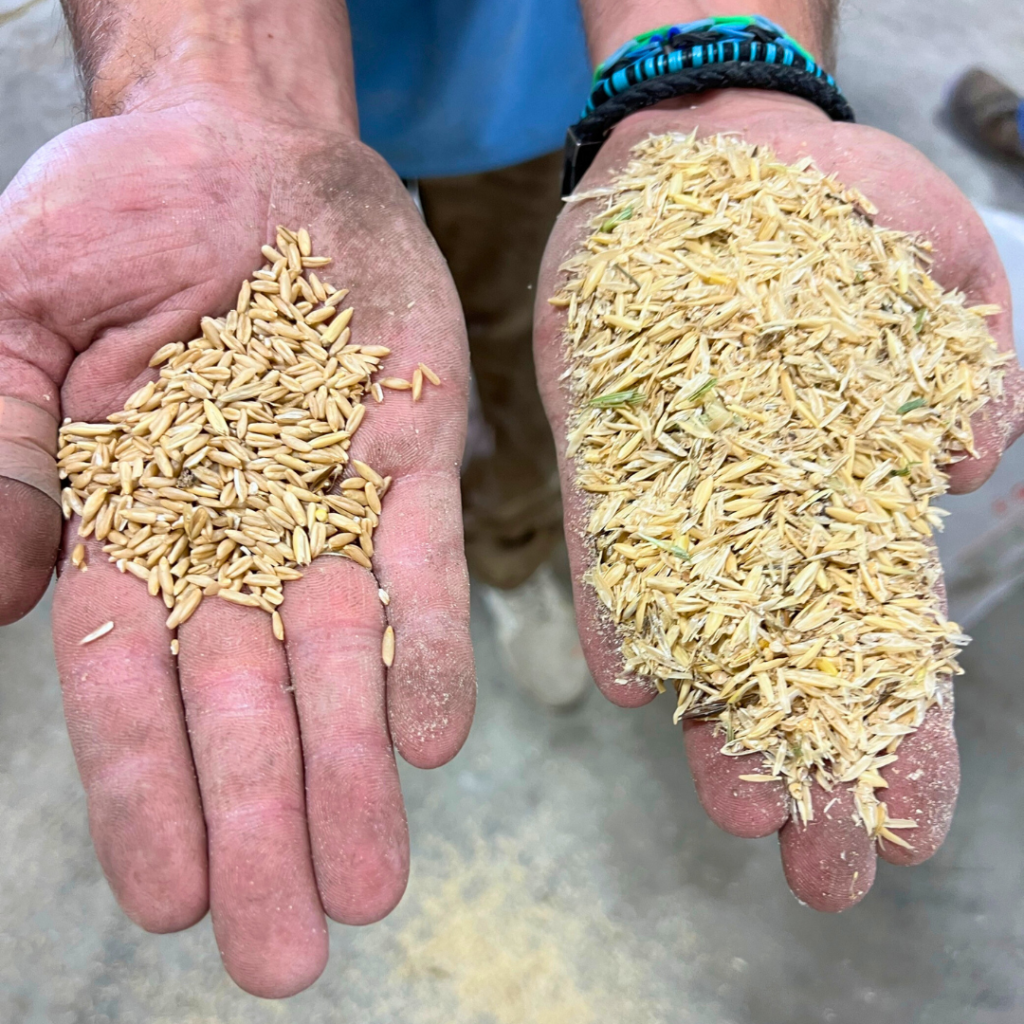
Millet is a small-seeded grain classified as an “ancient grain.”
Known for its resilience, proso millet requires less water than traditional staples like rice and corn. It thrives in various U.S. climates, including those prone to drought, making it a climate-friendly crop.
Why Millet Matters to the Gluten-Free and Allergy-Friendly Community
Millet is naturally gluten-free and free from the top allergens, making it a safe and inclusive option for those with celiac disease, gluten sensitivities, or food allergies. Its mild flavor and versatility allow it to be used in everything from flour for baking to a hearty base for porridge, salads, or bowls.
Nutritionally, this grain is a powerhouse. It’s high in protein, rich in fiber, and contains essential nutrients like magnesium and B vitamins, making it a valuable addition to any diet. For those looking for clean, nutritious, and allergen-friendly options, millet ticks all the boxes.
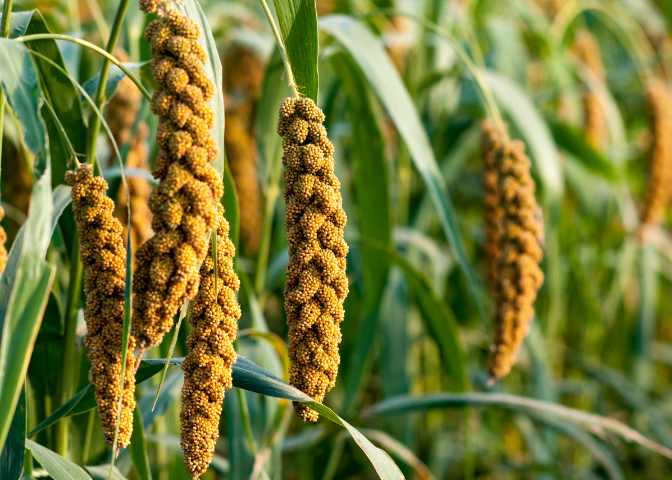
Why Aren’t We Eating More of this Ancient Grain?
Historically, millet was a staple crop in many parts of the world. However, over time, farming subsidies in the U.S. shifted agricultural production—and our diets—toward wheat and soy. This shift pushed grains like millet out of the mainstream, leaving it underutilized despite its many benefits. Unfortunately, this also means small-scale farmers who grow millet often struggle to find buyers; and larger mills typically prioritize high-volume crops.
How ZEGO and CIVC Are Bringing Millet Back
At ZEGO, we’re committed to partnering with farmers to reintroduce millet into the market. Our work with CIVC is a key part of this effort. Through this partnership, we’re supporting farmers in growing organic, gluten-free millet as part of their rotational crop practices. This approach improves soil health, reduces heavy metal uptake in plants, and promotes sustainable farming.
This collaboration also allows us to develop the infrastructure needed to process and dehull millet. This ensures we can deliver purity-verified, U.S.-grown millet flour that meets the highest safety and quality standards.
Millet’s versatility makes it ideal for baking bread, making pancakes, or serving as a nutritious main or side dish. Are you ready to get cooking with this healthy, gluten-free grain? Visit our friends at Snacktivist Foods for some creative and delicious millet recipes!
Stay tuned for updates as we bring purity-verified, U.S.-grown millet products to your pantry soon!

Colleen Kavanagh
Colleen has dedicated over 20 years of her career to improving the federal nutrition programs on the local, state, and federal level in her work for Congress, the School Nutrition Association, California Food Policy Advocates, and her own nonprofit project called A Better Course. Frustrated with the inability of federal action to bring truly healthy food to those in need. she started her food company ZEGO in 2013 to focus on food purity and nutrition density. Through ZEGO, she encourages consumers to advocate for themselves and ask the brands they love to measure and report the purity of their food.